
Most of us don't think twice about our furnaces when the temperature drops in Wise County. Heat kicks on, house warms up, life goes on. But there's a component inside that metal box working hard to keep toxic gases out of your home, and when it fails, you might not know until someone gets sick.
Cracked heat exchangers rank among the most dangerous furnace failures you can face. They don't always announce themselves with loud noises or complete heating failures. Instead, they silently allow carbon monoxide to seep into your living space, causing symptoms that look a lot like the flu. By the time you realize something's wrong, your family may have been breathing contaminated air for days or weeks.
Empire Heating & Air is intent on ensuring the safety of our customers and homeowners in the Paradise area. Here's how you can recognize the warning signs and what you should do.
Inside Your Furnace: The Heat Exchanger's Job
When your furnace burns natural gas, it creates two things: heat you want and toxic gases you definitely don't. Carbon monoxide, sulfur dioxide, and other combustion byproducts need to stay contained and vented outside. That's where the heat exchanger comes in.
Think of it as a metal barrier, usually a chamber or series of coils, that lets heat pass through to warm your home's air while keeping dangerous gases trapped inside. Hot combustion gases flow through one side, heating the metal. Clean air from your home flows across the other side, picking up that warmth before circulating through your ductwork. The toxic stuff? It exits through your flue pipe, far away from anyone breathing.
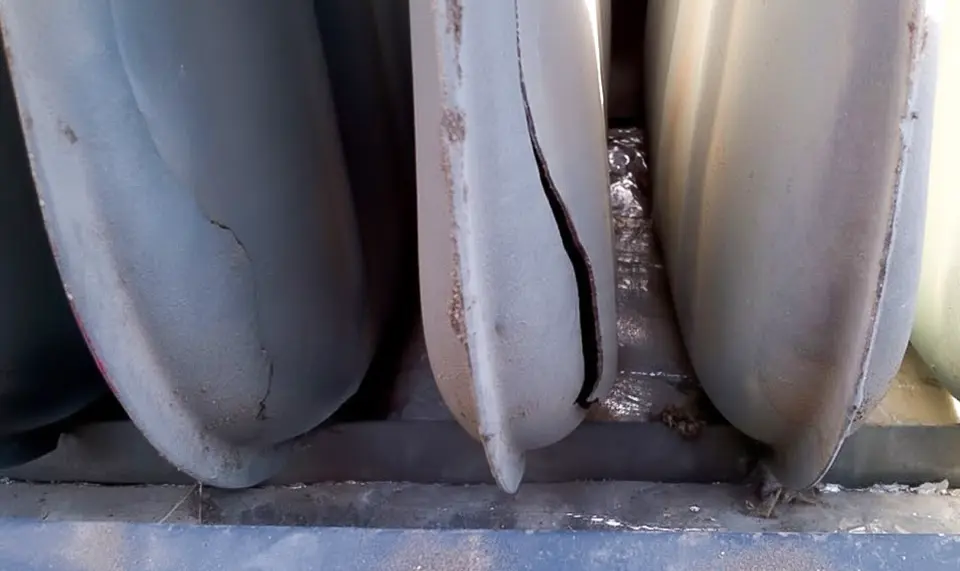
When cracks develop in this barrier, everything breaks down. Gases that should be venting outside start mixing with the air you breathe. There's no alarm. No smell. Just an invisible threat that builds up over time.
Why Heat Exchangers Crack
Metal fatigue causes most heat exchanger failures. Every heating cycle puts your exchanger through expansion and contraction as it heats up and cools down. After enough years of this stress, microscopic cracks form. They spread. Eventually, they compromise the entire chamber.
Poor airflow accelerates the damage. A clogged filter, blocked return vents, or dirty blower fan forces your furnace to run hotter than designed. That extra heat warps the metal faster. Same goes for oversized systems that short-cycle, turning on and off repeatedly and putting excessive strain on components that need longer run times to operate efficiently.
Corrosion eats away at the metal, too. Excess humidity, condensation from an improperly vented system, or chemical fumes from cleaners stored too close to your furnace can all cause rust. Once rust sets in, the metal loses structural integrity and becomes vulnerable to cracking under normal operating stress.
What to Watch For
You don't need to be an HVAC tech to spot potential heat exchanger problems. Several warning signs show up during regular furnace operation.
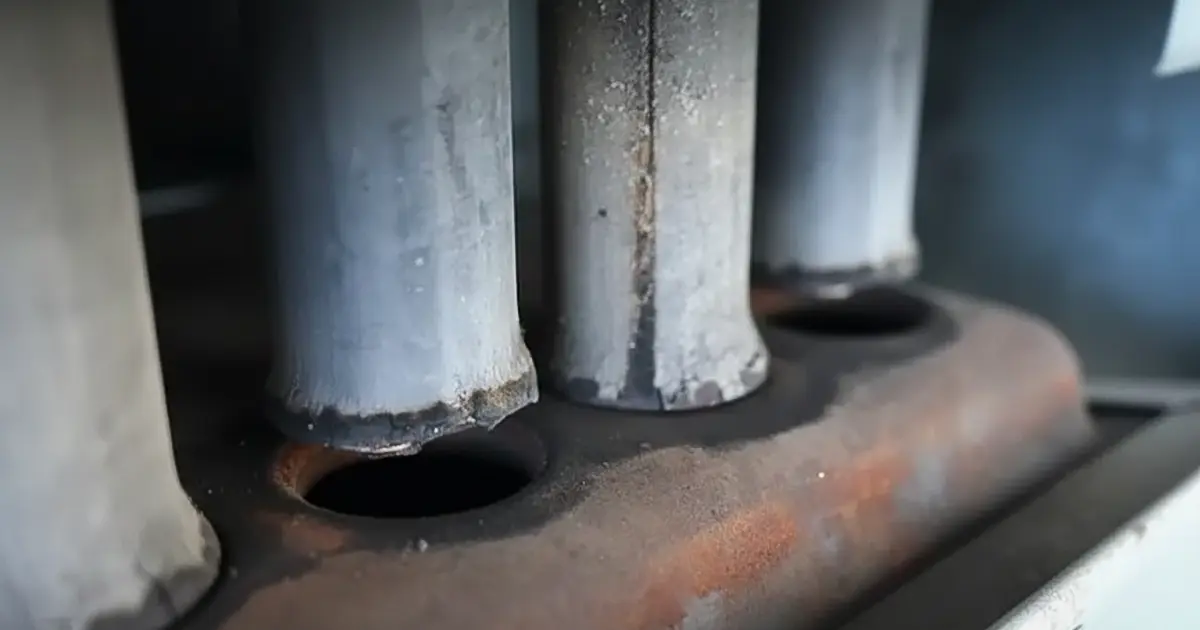
- Black soot accumulation: Signals incomplete combustion, often tied to cracks that disrupt proper airflow.
- Rust or corrosion on components: Suggests moisture is present where it shouldn’t be, possibly from combustion gas leaks.
- Water pooling: Vapor from combustion gases can escape from a cracked exchanger before exiting the flue.
- Unusual odors: Metallic, chemical, or formaldehyde-like smells from vents may indicate dangerous leaks.
- Carbon monoxide detector alerts: Alarms or high ppm readings require immediate furnace shutdown and professional help.
- Physical symptoms: Headaches, nausea, dizziness, and eye irritation that disappear when leaving the house could signal CO exposure.
- Yellow or flickering burner flames: A healthy furnace flame should be steady and blue.
The Real Danger
Carbon monoxide doesn't give you a second chance to figure things out. You can't see it, smell it, or taste it. Initial exposure mimics flu symptoms like headache, fatigue, and nausea. Continued exposure leads to confusion, loss of consciousness, and death. Most CO poisoning happens while people sleep, which is why so many cases turn fatal before anyone realizes there's a problem.
A cracked heat exchanger creates additional risks beyond carbon monoxide. Escaping combustion gases can confuse temperature sensors, causing your furnace to overheat or shut down unexpectedly. Continued operation with a damaged exchanger puts excessive wear on your blower motor, control board, and other components. What starts as a single crack can cascade into a system-wide failure that costs thousands to repair.
What You Should Do Right Now
If any of these warning signs sound familiar, don't convince yourself it's probably nothing. Trust your instincts. Turn off your furnace, open some windows, and call your trusted experts at Empire Heating & Air. We can perform combustion analysis and CO testing.
Repairing a cracked heat exchanger isn't an option. The component is sealed, and any attempt to weld or patch it compromises the unit's safety certification. Most techs will recommend replacing either the heat exchanger itself or, if your furnace has reached the end of its useful life, the entire system.
- Heat exchanger replacement: Typically costs between $600 and $1,200, depending on your model and local labor rates.
- Furnace replacement: Makes more sense for older systems or units with multiple issues.
Keeping Your Heat Exchanger Healthy
- Schedule annual inspections: Fall tune-ups catch small problems before they escalate.
- Change filters every 1–3 months: Reduces stress on the system and improves airflow.
- Keep vents and registers clear: Ensures even airflow and prevents overheating.
- Avoid storing chemicals near the furnace: Prevents corrosion from fumes.
- Confirm proper furnace sizing: Prevents short-cycling and extends heat exchanger life.
We're Here to Help Paradise Homeowners Stay Safe
Empire Heating & Air works with families throughout the Paradise, TX, area who need reliable heating systems they can trust. Our technicians know how to spot early signs of heat exchanger damage using diagnostic tools that measure CO levels, analyze combustion efficiency, and evaluate your furnace's overall condition.
Whether you need repairs, replacement, or just want peace of mind before winter settles in, we provide honest assessments and transparent pricing. No sales pressure, no hidden fees. Just straightforward service that protects your home.
Final Thoughts
Heat exchanger cracks don't fix themselves. They get worse. If you've noticed odd smells, unexplained illness symptoms, or your furnace behaving strangely, contact us today at (682) 233-3367. We'll schedule an inspection and help you understand exactly what's happening with your system.
Your family deserves to feel safe and warm all winter. Let's make sure your furnace is up to the job.