
Here’s something most HVAC companies won’t tell you upfront: you can probably get more years out of your furnace than you think. Most systems are rated to last 15 to 20 years, but plenty of homeowners see theirs quit at year 12 or 13. Others push past 20 without major issues. The difference? How you treat it.
A new furnace isn’t cheap. Between equipment and installation, you’re looking at several thousand dollars, and that price tag climbs fast if you’re calling for emergency service in January. If you live here in Paradise, where we get mild winters most days but occasionally see those hard freezes that catch everyone off guard, your heating system still works hard when you need it. Taking care of it isn’t complicated, but it does require some attention.
Waiting Until It Dies Is a Bad Plan
Too many people run their furnace until it completely gives out, then panic when they’re stuck in a cold house with limited options. Heating systems don’t usually fail on pleasant days. They quit when you need them most, which means you’re competing with every other homeowner trying to get a new unit installed during peak season.
Your furnace will usually warn you before it fails. Maybe it’s running louder than it used to. Maybe certain rooms aren’t getting warm anymore, or your energy bills have crept up without explanation. These aren’t things to ignore. Catching problems early gives you time to plan a replacement on your terms, not the furnace’s.
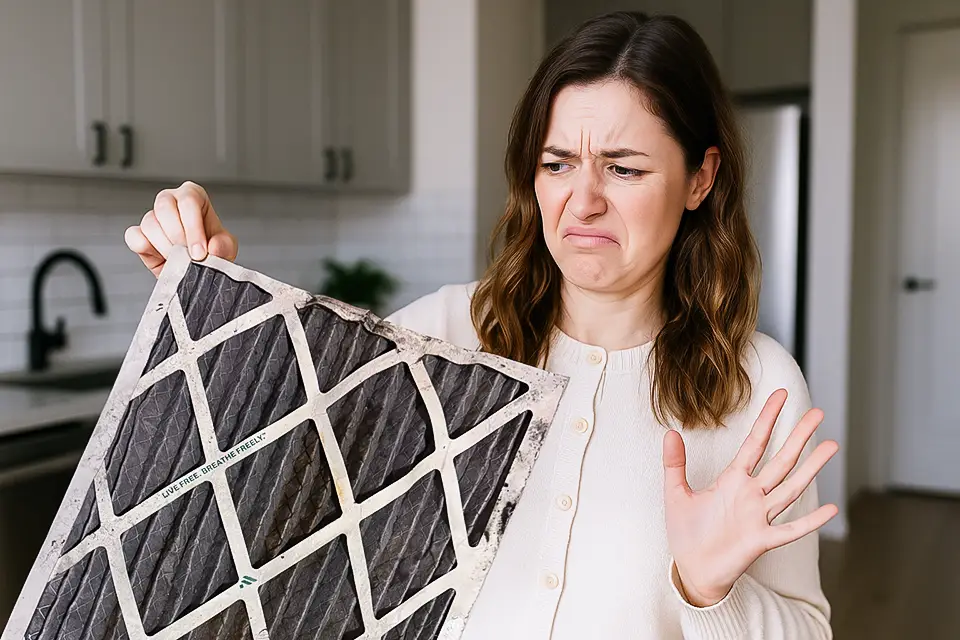
Change Your Filters (Really)
This one sounds obvious, but it’s the single easiest way to protect your system and most people still don’t do it consistently. When your filter gets clogged with dust, pet hair, and whatever else is floating around your house, airflow drops. That makes your blower motor strain harder, causes the unit to overheat, and drives up your energy bills.
Standard 1-inch filters need replacing every month. Pleated filters can go 90 days, but don’t push it. Set a reminder on your phone if you have to. And make sure you’re using the right filter. Some high-efficiency filters restrict airflow too much for residential systems. MERV ratings between 8 and 12 usually work best. If you’re not sure what you need, ask during your next service call.
Get It Checked Before You Need It
You wouldn’t drive your car 100,000 miles without an oil change. Your furnace needs attention too. A seasonal maintenance visit from Empire Heating & Air will catch small problems before they become expensive ones.
During a tune-up, we check electrical connections, clean burners and blower parts, measure temperature rise across the heat exchanger, and make sure everything’s operating within safe limits. If the temperature rise is off, your system could be overheating or developing condensation issues that’ll damage the heat exchanger over time.
Fall is the best time to schedule this. Get it done before the cold weather hits and you’ll have one less thing to worry about. Better yet, sign up for a maintenance plan. We’ll remind you when it’s time, and you’ll get priority scheduling if something does go wrong.
Stop Blocking Your Vents
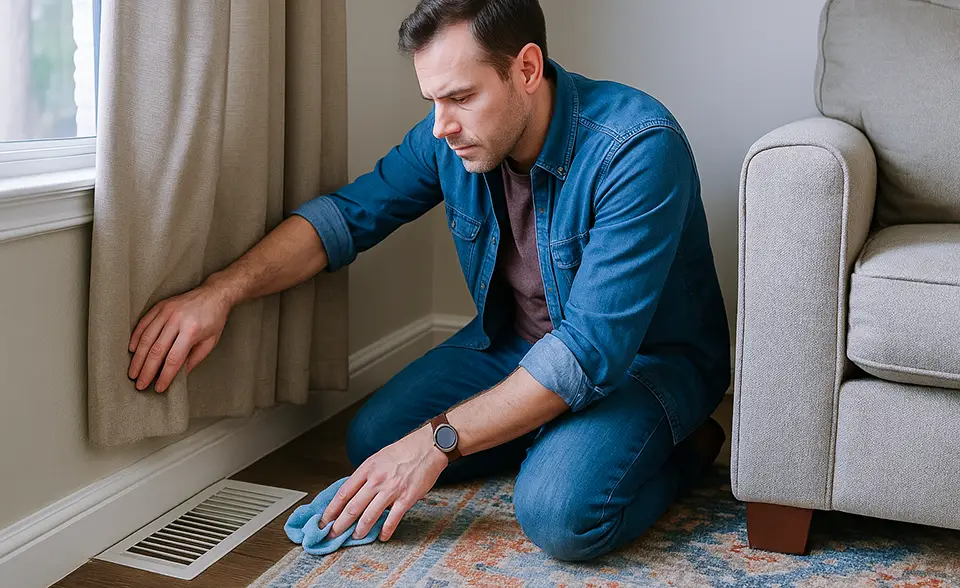
Your system needs air to move freely. When you close too many vents or pile furniture in front of registers, pressure builds in your ducts and forces the blower motor to work overtime. One or two closed vents won’t hurt, but shutting down half the house throws everything off balance.
Keep rugs and furniture away from floor vents. Don’t stack stuff around your furnace. If you have an outdoor unit for cooling, keep leaves and grass clippings cleared away. Shade is good for efficiency, but debris blocking the fins will kill performance.
The area around your equipment should be clean and open. This isn’t just about airflow. Technicians need access for repairs and maintenance.
Use Your Thermostat Smarter
Cranking your thermostat from 50 to 72 when you walk in the door forces your furnace to work harder than it should. Those big temperature swings put stress on the system. A programmable or smart thermostat helps by keeping adjustments gradual and consistent.
You don’t need to heat your house to 75 in winter. Set it at a reasonable temperature and leave it there. Many smart thermostats will remind you to change filters, alert you to airflow problems, and help you track energy use. Some even let you control different zones, so you’re not wasting money heating rooms nobody uses.
Small changes add up. Keeping your house at 68 instead of 72 might not seem like much, but your furnace will thank you.
Seal Your Ducts
You could be heating your attic or crawl space right now and not even know it. Leaky ductwork wastes a shocking amount of energy. Some estimates put the loss as high as 30% of your conditioned air escaping through cracks and gaps.
Professional duct sealing fixes that. You’ll notice better airflow, more even temperatures, and lower energy bills. Rooms that used to be too cold or too hot will balance out. There are DIY options, but a pro can test your system and target the real problem areas instead of just guessing.
Don’t Ask Too Much of Your System
Your furnace wasn’t designed to keep your house at 78 degrees when it’s 15 outside. Pushing it too hard shortens its life. You can help by making your home easier to heat.
Run ceiling fans to circulate warm air. Close curtains and blinds at night to trap heat. Check your insulation, especially in the attic. Seal gaps around windows and doors. When your furnace isn’t fighting constant heat loss, it runs more efficiently and lasts longer.
Common sense goes a long way. If you’re comfortable in a T-shirt while it’s snowing outside, you’re probably overdoing it.
Clean Your Ducts When Needed
If your filters get dirty faster than they should, or you’ve never had your ducts cleaned, now might be the time. Years of dust, pet hair, and construction debris can build up in there. That slows airflow and circulates allergens every time your system runs.
A thorough duct cleaning reduces strain on the blower motor and improves indoor air quality. Cleaner ducts mean your filters last longer and your system doesn’t have to work as hard. If you’ve recently done any remodeling, it’s especially worth checking.
Adding equipment like a whole-home humidifier or dehumidifier can also protect your system by controlling moisture and reducing airborne particles.
Installation Matters More Than You Think
A furnace that’s too small will run constantly and never quite keep up. One that’s too large will cycle on and off repeatedly, wearing out parts faster and creating humidity problems. Proper sizing requires a load calculation that accounts for your home’s square footage, insulation, window placement, and more.
When your system is installed correctly from the start, it performs better and lasts longer. If you’re replacing an old unit, don’t just match the tonnage. Have one of our professionals do the math.
Know When It’s Time to Let Go
Even the best-maintained furnace won’t last forever. When repairs start piling up, or your system gets noticeably louder and less effective, it may be time to replace it.
A new, energy-efficient model will lower your bills, improve comfort, and give you peace of mind when the temperature drops. If your furnace is over 15 years old and you’re calling for repairs more than once a year, start planning before an emergency forces your hand.
Final Thoughts
You are in control. Extending the life of your furnace doesn’t require a mechanical engineering degree. Change your filters regularly. Schedule annual maintenance. Seal your ducts. Use your thermostat wisely. These aren’t complicated steps, but they make a real difference.
If your furnace is acting up or you’re ready to schedule a maintenance visit, contact us today at (682) 233-3367. At Empire Heating & Air, we help Paradise homeowners stay warm, save money, and get the most out of their heating systems. Let’s make sure yours keeps running strong.